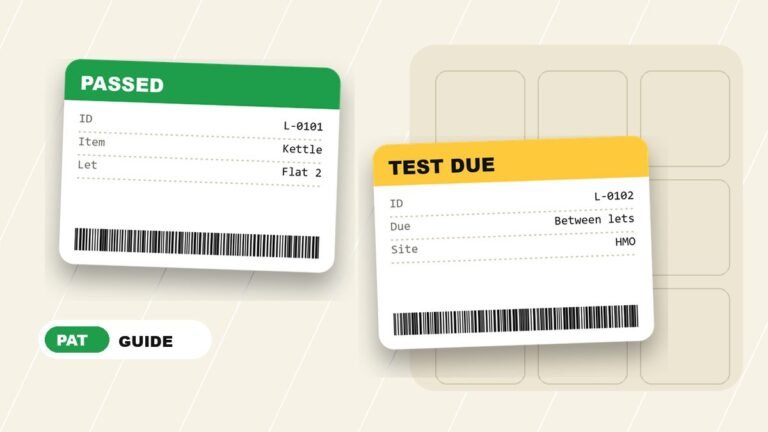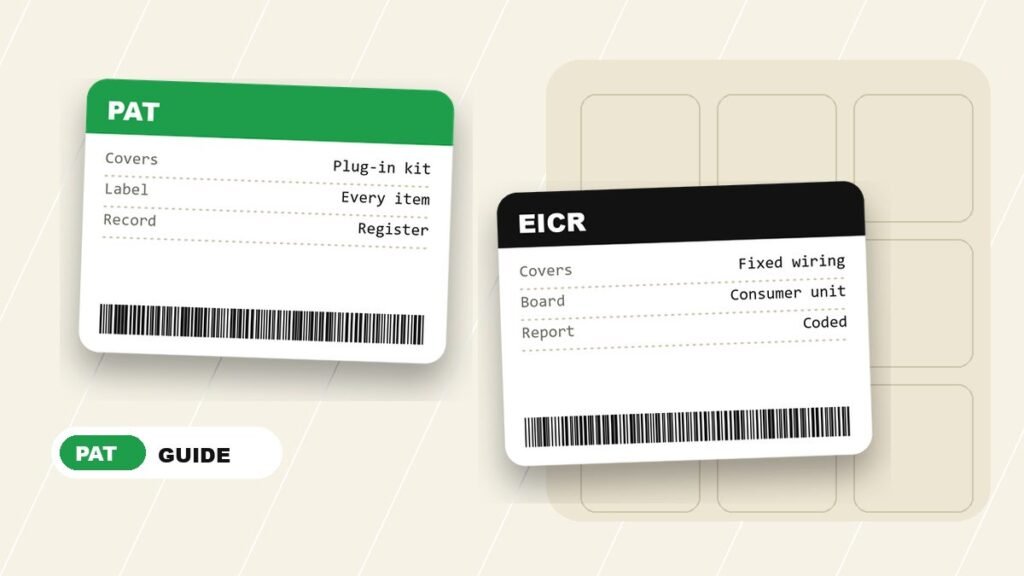
PAT testing and EICRs are often mentioned together, and it’s easy to assume one covers the other. It doesn’t. They look at two completely different parts of your electrics.
PAT testing: plug-in equipment
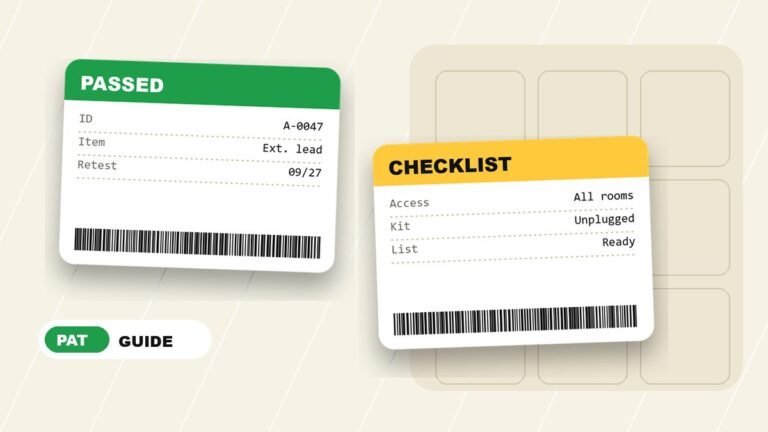
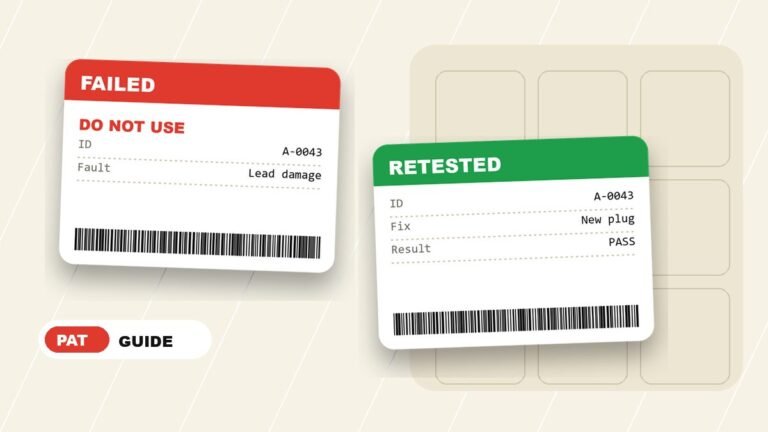
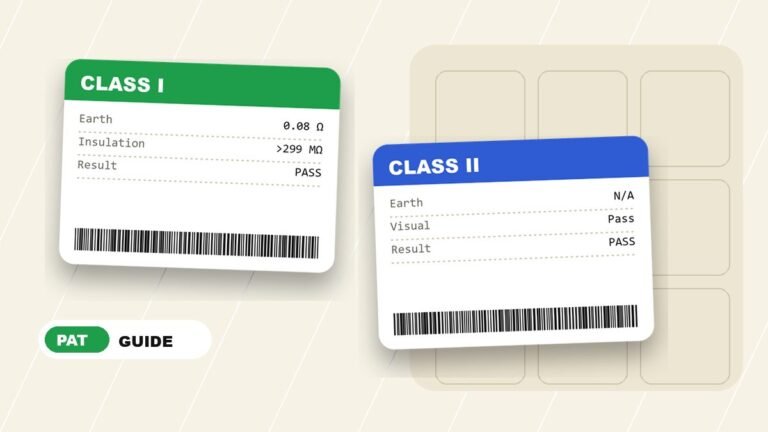
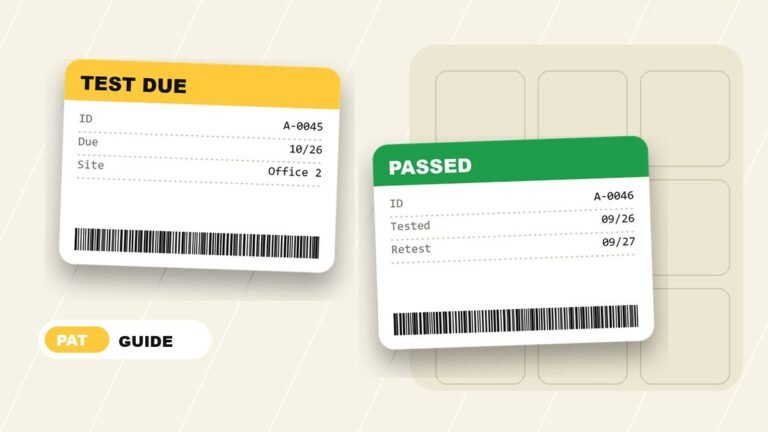
Portable appliance testing covers anything that connects with a plug: kettles, computers, heaters, extension leads and so on. Each item is inspected, tested and labelled, and recorded in an asset register.
EICR: the fixed installation
An Electrical Installation Condition Report covers the fixed wiring: the consumer unit, circuits, sockets, switches and fittings. Observations are coded by urgency, and the report says whether the installation is satisfactory.
For private landlords in England, an EICR is a legal requirement at least every five years. PAT testing isn’t specifically required there, but it’s the usual way to show the appliances you supply are safe.
Do you need both?
- Landlords: an EICR is required; PAT is strongly advisable for supplied appliances
- Businesses: both are common ways to show electrical safety is maintained
- HMOs: licence conditions often ask for evidence of both
Booking them together means one visit, less disruption, and a complete picture of your electrical safety.