If you let a property with a kettle, a washing machine or a few lamps included, you’ve probably been told you “must” PAT test them every year. The reality is a little more nuanced, and knowing the detail helps you decide what’s sensible for your lets.
What the rules actually say
In England there’s no specific law that says landlords must PAT test. What the law does say is that anything you provide with the tenancy has to be safe, and that you have to keep the property’s electrics in good order. PAT testing is simply the most widely accepted way of showing you’ve checked the appliances you supply.
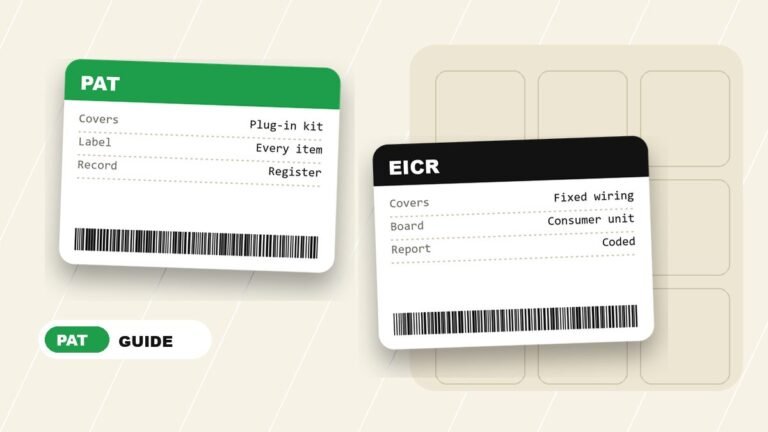
Scotland is different. Private landlords there are expected to have landlord-supplied portable appliances PAT tested as part of the repairing standard, alongside the fixed-wiring inspection.
When landlords usually test
- Between tenancies, before new tenants move in
- Once a year in HMOs, or whenever the licence conditions ask for it
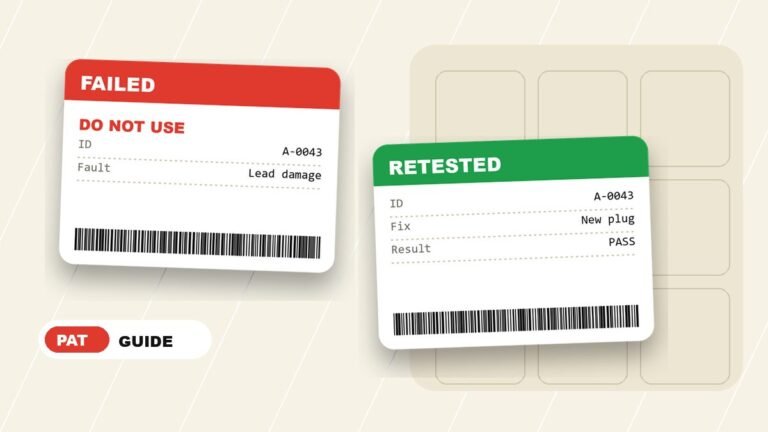
- After any appliance has been repaired or replaced
- Whenever a tenant reports damage, scorching or a tripping fuse
HMOs and licensing
Many councils attach conditions to HMO licences, and evidence of appliance safety is a common one. If you run an HMO, check your licence: a current PAT certificate and asset register is usually the easiest way to satisfy it.
Only the appliances you supply are your responsibility. Tenants’ own equipment isn’t part of your PAT test.
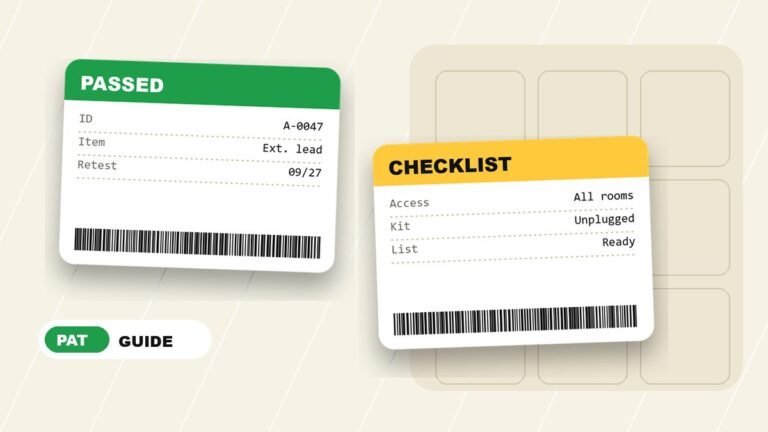
What you get at the end
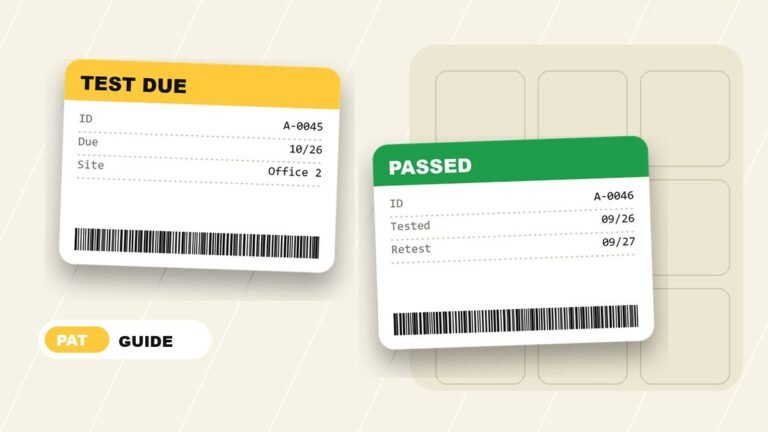
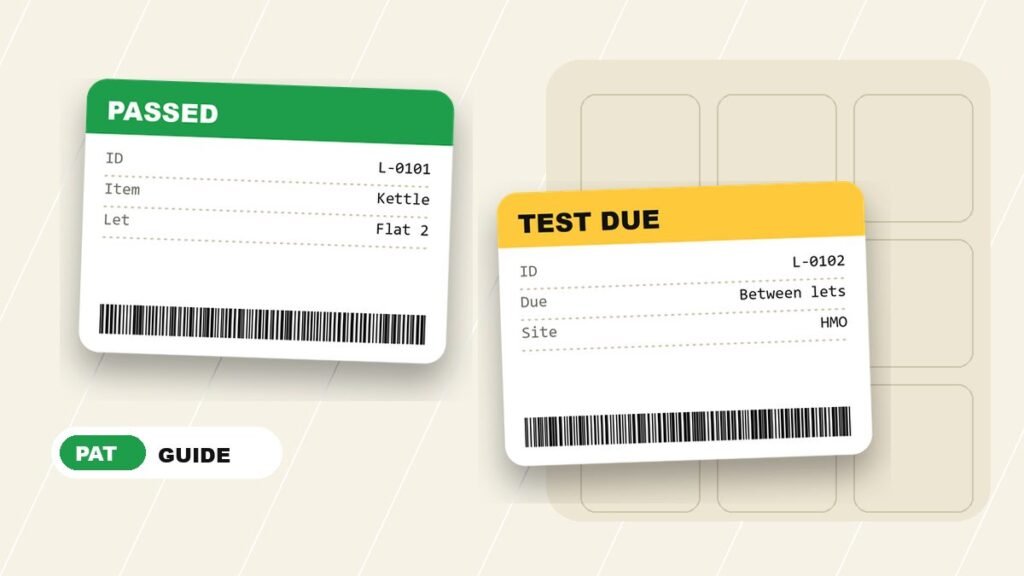
A proper visit leaves a pass or fail label on every item, plus a certificate and asset register listing each appliance, where it is, its results and when it’s next due. Keep it with your tenancy paperwork so you can produce it quickly if a tenant, agent or council asks.